The 2026 Shift: Why Africa and South Asia are Dubai’s New Trade Powerhouses
For decades, Dubai has been the “Gateway to the East.” But as we move through 2026, the gateway is swinging wider than ever. While traditional markets in the North remain stable, the real explosive growth is happening along the Africa-Dubai-South Asia corridor.
If you are an entrepreneur looking to set up or scale an import/export business this year, the landscape has changed. It’s no longer just about moving goods—it’s about leveraging CEPA (Comprehensive Economic Partnership Agreements) and the new digital logistics infrastructure that 2026 has brought to our doorstep.
1. The “CEPA Advantage”: Nigeria, India, and Beyond
The UAE has been on a signing spree. As of early 2026, landmark agreements with giants like Nigeria and India have reached full maturity. For Bizgate clients, this means:
-
Drastic Tariff Reductions: In many cases, customs duties have been slashed to 0% on key categories like electronics, processed foods, and agricultural machinery.
-
Seamless Market Access: These aren’t just trade deals; they are regulatory “fast-tracks” that simplify the paperwork required to get your products into markets with over 2 billion combined consumers.
2. The Rise of “Micro-Warehousing” in JAFZA
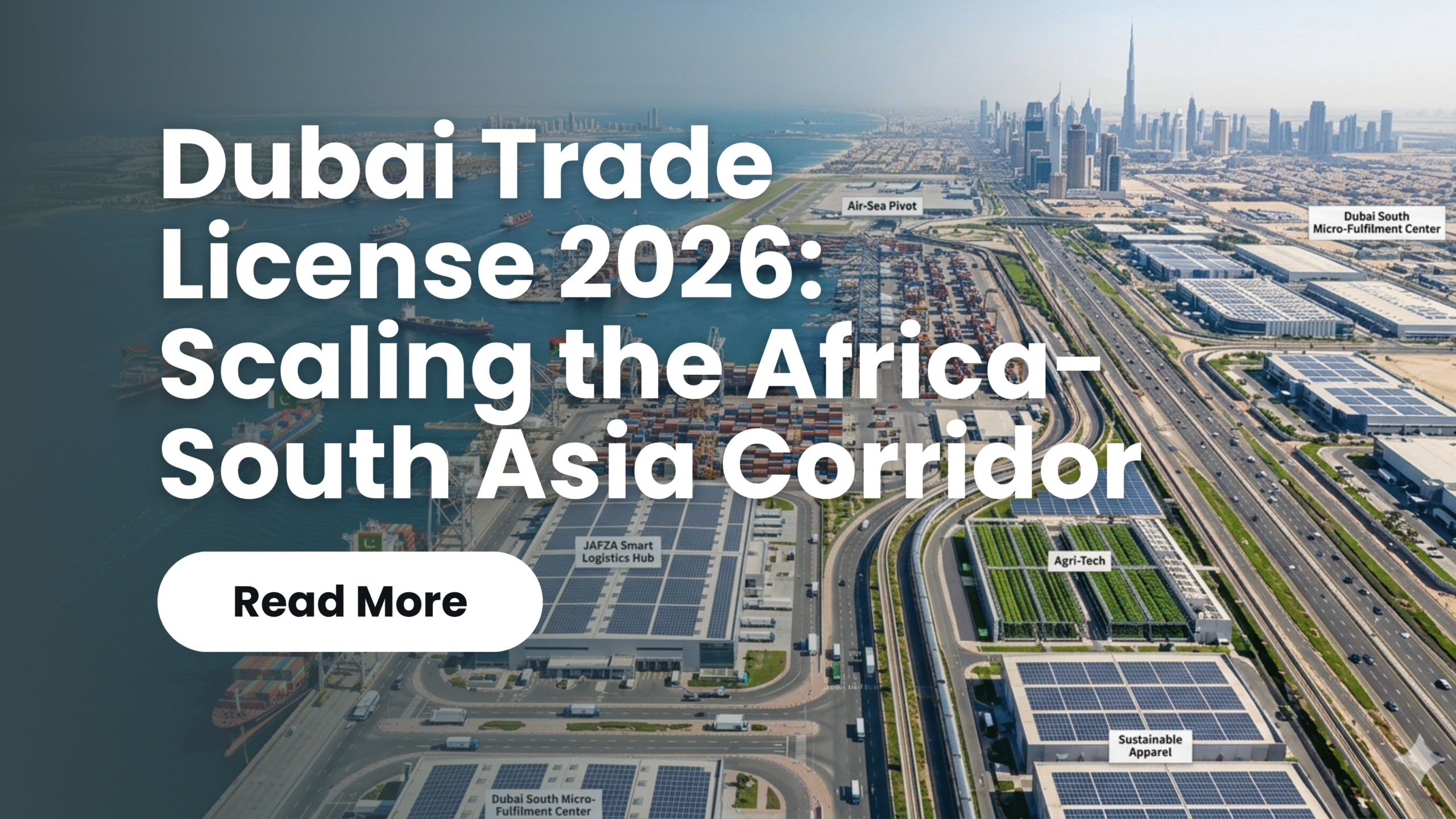
The days of needing a massive, expensive 5,000 sq. ft. warehouse just to get started are over. To support the 2026 e-commerce boom, Jebel Ali Free Zone (JAFZA) and Dubai South have expanded their Micro-Fulfilment Centres (MFCs).
-
What this means for you: You can now lease “smart lockers” or modular micro-units. This allows SMEs to hold just enough stock for rapid “re-export” without the overhead of a traditional industrial lease.
-
Elastic Logistics: These facilities are designed to scale. You can double your storage space during seasonal peaks (like the Q4 rush) and shrink it back down in January, keeping your margins healthy.
3. AI and the “Zero-Delay” Supply Chain
2026 is the year AI moved from a buzzword to a logistics necessity. Dubai’s ports now utilize predictive rerouting as standard.
-
Bypassing Bottlenecks: New AI systems detect global port congestion in real-time, automatically suggesting alternative routes or air-to-sea pivots to ensure your cargo never sits idle.
-
Automated Compliance: The UAE’s new E-Invoicing mandate (fully operational as of mid-2026) means that your trade documents are verified digitally before the ship even docks, cutting customs clearance times from days to mere hours.
4. Hot Sectors for 2026: What to Trade?
Based on current trade flows, Bizgate is seeing the highest ROI in these three categories:
-
Agri-Tech & Food Security: Exporting UAE-developed vertical farming tech to the African mainland.
-
Renewable Components: Re-exporting solar panels and battery storage from Asian manufacturers to emerging markets.
-
Sustainable Apparel: Sourcing eco-friendly textiles under CEPA benefits for the growing “conscious consumer” base in the GCC.
Ready to Bridge the Gap?
The “Global South” is no longer a future prospect—it is the current engine of Dubai’s economy. At Bizgate, we don’t just handle your trade license; we help you navigate the 2026 customs landscape, connect with the right free zones, and ensure your business is structured to take full advantage of these new trade corridors.
Contact us today to see which CEPA agreement can save your business the most in 2026.